
Starting crochet is exciting, but walking down the yarn aisle can feel overwhelming. This guide breaks down the basics so you can confidently choose yarn that’s easy to work with, forgiving of little mistakes, and enjoyable to crochet.
Basic Yarn Concepts for New Crocheters
Yarn labels are full of information, but you only need to understand a few key ideas when you’re new: fiber type, yarn weight, and texture. Once you know these, choosing beginner-friendly yarn becomes much easier.
Fiber Types: What Your Yarn Is Made Of
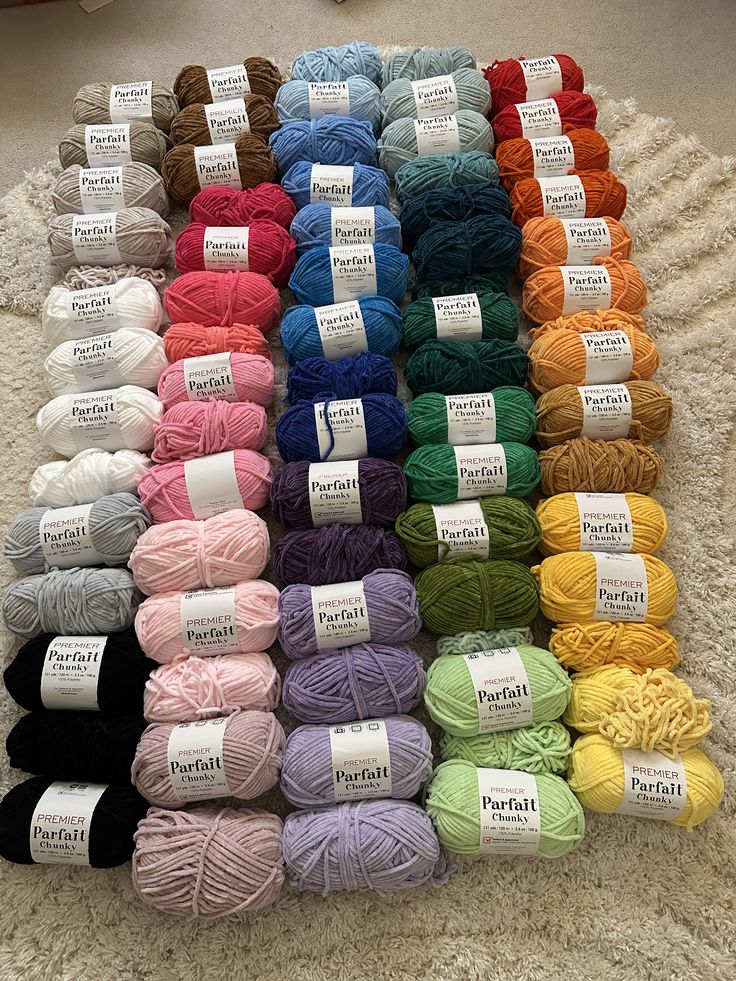
The fiber is the material the yarn is spun from. As a beginner, you’ll mostly see acrylic, cotton, and wool or wool blends. Each behaves a little differently in your hands and in your finished projects.
- Acrylic: Affordable, widely available, machine washable, and comes in many colors. It’s usually soft and smooth, which makes it easy to slide your hook into the stitches. Ideal for practice swatches, scarves, blankets, and toys.
- Cotton: Smooth and sturdy, great for dishcloths, washcloths, and summer items. It has less stretch than acrylic, so your stitches look crisp and defined. It can feel a bit harder on the hands during long sessions, so take breaks.
- Wool & wool blends: Warm, bouncy, and slightly stretchy. This elasticity can make it easier to insert your hook and can hide small tension issues. Many beginners like wool blends (for example, wool mixed with acrylic) because they are soft, warm, and easier to care for than 100% wool.
Any of these fibers can work for a beginner, but most people find smooth acrylic or a soft wool blend the easiest to start with.
Yarn Weights: How Thick the Yarn Is
Yarn weight describes how thick the strand of yarn is, not how heavy the ball feels. Common weights include lace, fingering, sport, DK (double knitting), worsted (also called medium or aran), bulky, and super bulky.
For beginners, worsted weight yarn (sometimes labeled as “medium” or “4”) is usually the best choice. It’s thick enough that you can see your stitches clearly but not so thick that your hands get tired quickly.
- Look for a small yarn weight symbol on the label: a ball of yarn icon with a number inside. For beginners, aim for number 4 (medium).
- Common hook sizes for worsted weight fall around 5 mm to 5.5 mm (H-8 to I-9). This size is comfortable for most hands and makes it easy to see your stitches.
Very thin yarns (like lace or fingering) can be fiddly, and very thick yarns (bulky and super bulky) can tire your hands and make it harder to correct mistakes. Worsteds and similar medium weights hit that “just right” sweet spot.
Texture and Color: What Makes a Yarn Easy to Use
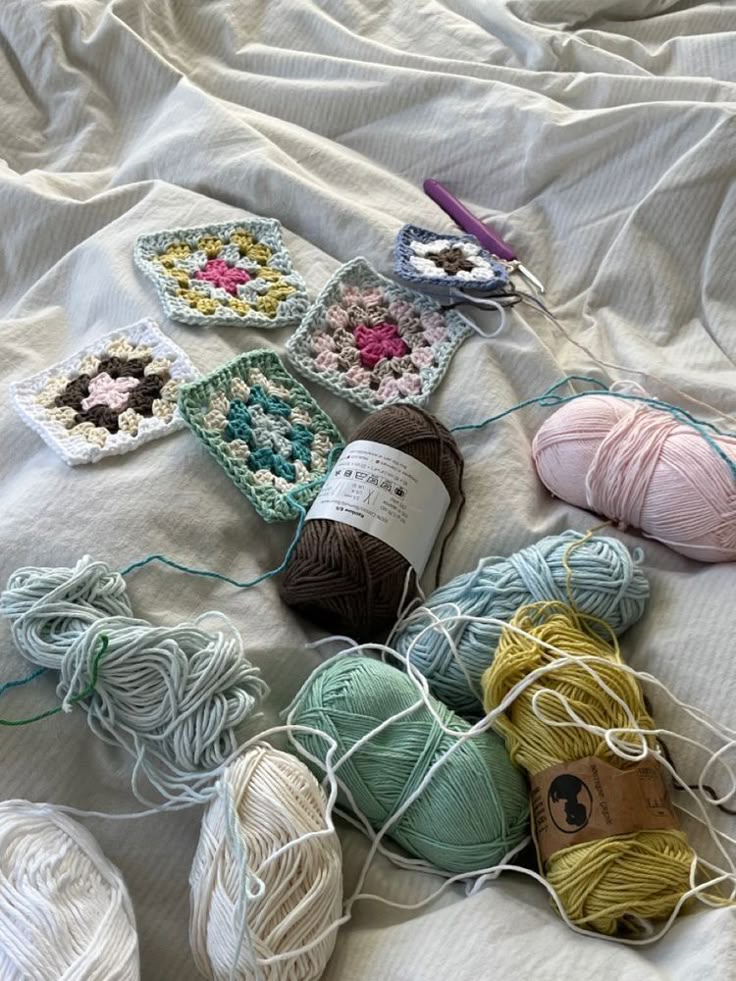
Beyond fiber and weight, the way the yarn looks and feels can make a big difference when you’re learning.
- Smooth, not fuzzy: Choose yarn with a smooth surface. Very fluffy or fuzzy yarns (like mohair or anything described as “eyelash”) can hide your stitches, making it hard to see where to put your hook.
- Light to medium colors: Dark colors look beautiful, but they make it hard to see individual loops. Go for light or medium shades while you’re learning so your stitches are clearly visible.
- Not too slippery: Some yarns, especially certain cottons or bamboo blends, can be very slick. They may slide off your hook or unravel easily. A slightly grippy yarn (often acrylic or wool blend) is easier to control.
- Even thickness: Avoid yarns labeled as “thick and thin” or with a very uneven texture. Consistent thickness helps your stitches look neat and makes patterns easier to follow.
When you run the yarn between your fingers, it should feel soft enough to be pleasant, but not so fuzzy or slippery that it’s hard to control.
Beginner-Friendly Yarn Types
You don’t need the “perfect” yarn to get started, but some types are especially kind to beginners. Here are a few categories to look for when you’re shopping, whether online or in a craft store.
- Basic acrylic worsted-weight yarn
Look for a smooth, non-fuzzy acrylic labeled as medium / 4 / worsted. These yarns are usually affordable, washable, and widely stocked. They’re ideal for practice squares, simple scarves, and blankets. - Soft wool or wool-blend worsted-weight yarn
If you like natural fibers, choose a soft superwash wool or a wool/acrylic blend in worsted weight. The slight stretch of wool can make your tension more forgiving and your projects feel especially cozy. - Combed or mercerized cotton in worsted or DK weight
For dishcloths and home items, look for smooth cotton that feels soft rather than stiff. A light color worsted or DK cotton is great for practicing stitch patterns because it shows your stitches very clearly.
When you’re unsure, choose a light-colored, smooth, worsted-weight yarn made from acrylic or a soft wool blend. Buy one or two balls and use them just for practice. Your “practice yarn” takes away the pressure to be perfect and lets you focus on learning.
How to Read Yarn Labels (and What to Look For)
Yarn labels are your cheat sheet. They tell you almost everything you need to know to decide if a yarn will be beginner-friendly. Here’s how to read them with confidence.
- Fiber content
Look for the percentage breakdown, such as “100% acrylic,” “60% cotton / 40% acrylic,” or “75% wool / 25% nylon.” For beginners, aim for 100% acrylic, soft cotton, or a wool blend. - Yarn weight symbol
Find the little yarn ball icon with a number inside. For beginners, look for 4 (medium / worsted). DK weight (3) can also work, but stitches will be slightly smaller. - Recommended hook size
Most labels show a knitting needle and crochet hook icon with suggested sizes. For worsted-weight yarn, this is often around 5 mm–5.5 mm (H-8 to I-9). Starting near the recommended size is a safe bet. - Care instructions
Symbols or text like “machine wash, tumble dry” are helpful, especially for blankets or children’s items. If you want low-maintenance projects, choose machine-washable yarns. - Color and dye lot
If you’re buying more than one ball for a project, check that the color name and dye lot numbers match. For practice, this matters less, but it’s a helpful habit to build.
As you gain experience, you’ll start to recognize your favorite brands and fibers. For now, use the label to double-check: Is it smooth, light-colored, medium weight, and made from a beginner-friendly fiber? If the answer is yes to most of these, you’re good to go.
Quick Checklist for Choosing Beginner Yarn
- Fiber: Acrylic, soft cotton, or wool blend
- Weight: Medium / worsted / number 4 on the yarn weight scale
- Texture: Smooth, not fuzzy or hairy
- Color: Light or medium shade (not very dark)
- Hook size: Around 5 mm–5.5 mm (H-8 to I-9) recommended
- Care: Machine washable if you want low-maintenance projects
If you match most of this checklist, you’ll have a yarn that’s comfortable to use and forgiving as you learn.
FAQ: Best Yarn Types for Beginners
What is the best yarn for absolute beginners?
A smooth, light-colored worsted-weight (4) acrylic yarn is usually the easiest place to start. It’s affordable, widely available, and shows your stitches clearly.
Can I start with cotton yarn?
Yes. Cotton is great for dishcloths and home projects, and it makes very clear stitches. Just know that it has less stretch than acrylic or wool, so your hands may get tired a little faster. Take breaks, and choose a soft, smooth cotton in a light color.
Should beginners avoid any types of yarn?
When you’re just starting, it’s wise to avoid very dark colors, extremely fuzzy yarns, eyelash yarns, very slippery yarns, and very thin or very thick yarns. These can all make it harder to see your stitches or control your hook.
How many balls of yarn should I buy to start?
For practice, one or two balls of worsted-weight yarn are plenty. For a simple scarf or small baby blanket, check the pattern first—it will usually suggest how many yards or meters you need. As a beginner, it’s better to buy an extra ball than to run short.
Will my yarn choice really make a difference?
Absolutely. Beginner-friendly yarn won’t fix every mistake, but it will make your stitches easier to see, your projects more comfortable to work on, and your learning curve much smoother. The right yarn turns frustration into fun.
Most importantly, remember that your first projects are for learning. Pick a yarn you like, start stitching, and let your skills grow one loop at a time.
 Honey Stitch
Leave a comment