
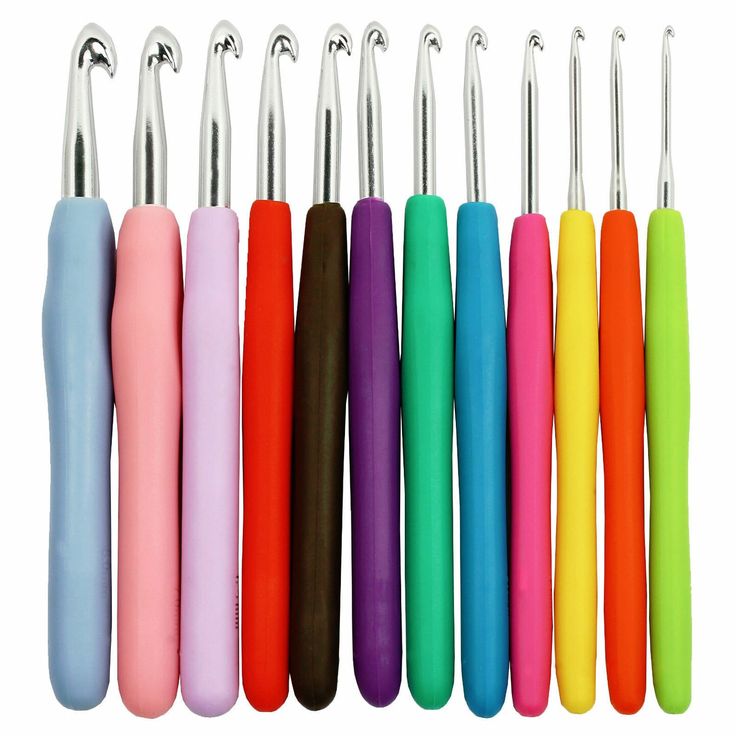
Choosing your first crochet hooks can feel confusing, but it doesn’t have to be. This guide walks you through sizes, materials, and comfort features so you can pick hooks that feel good in your hands and help your stitches look neat and even.
Hook Sizes: Where to Start
Crochet hooks come in different sizes, and that size affects how big your stitches are and how your hands feel while you work. For beginners, it helps to start in the middle of the size range rather than with very tiny or very large hooks.
- Size numbers and letters: Many hooks list both a millimeter size and a letter/number size. For example, a 5 mm hook is often labeled H-8.
- Smaller hooks (2–3.5 mm): Make tight, delicate stitches and are used with thin yarns. These can be harder for beginners because it is more difficult to see and insert into each stitch.
- Medium hooks (4–6 mm): A great starting range. They pair well with common “worsted weight” yarns and make it easier to see your stitches.
- Larger hooks (6.5 mm and up): Used with chunky or bulky yarns. They can be fun, but some beginners find very thick yarns awkward to hold at first.
General beginner recommendation: A 5 mm (H-8) crochet hook with a smooth worsted weight yarn (often labeled “medium 4”) is a comfortable place to start. If your hands feel tight, you can try a slightly larger hook like 5.5 mm (I-9) to loosen your stitches.
Hook Materials Explained
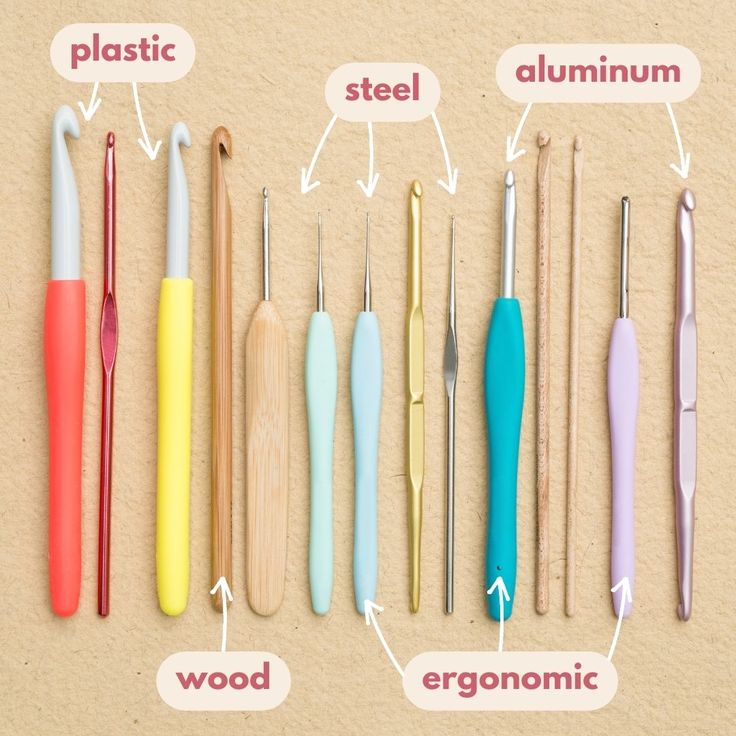
The material your hook is made from affects how it feels in your hand and how easily it glides through the yarn. There is no single “best” material, but some are easier for beginners to manage.
Aluminum Hooks
Aluminum hooks are very common and widely available. They are light, durable, and have a smooth surface that helps the yarn slide easily.
- Pros: Smooth, affordable, and easy to find; stitches slide well, which can help you work faster.
- Cons: Can feel a bit slippery if you tend to have loose tension; metal can feel cold at first.
- Good for beginners? Yes. They’re a solid, practical choice for learning, especially if you pair them with a medium-weight yarn.
Plastic Hooks
Plastic hooks are lightweight and usually inexpensive. They can be a good way to try crochet without spending much.
- Pros: Very light; often come in bright colors; gentle on hands because they are not heavy.
- Cons: Quality varies; very cheap plastic may bend or have small seams that catch on your yarn.
- Good for beginners? Often, yes—as long as the hook is smooth with no rough edges. Inspect it with your fingers before you buy or use it.
Bamboo and Wooden Hooks
Bamboo and other wooden hooks feel warm and slightly grippy. Many people like them for their natural feel and light weight.
- Pros: Warm in the hand, very light, and the gentle grip can help if your stitches tend to be loose.
- Cons: If the surface is not sanded smoothly, the yarn may snag; tips can wear down over time if the hook is very soft.
- Good for beginners? Yes, especially if you find metal too slippery. Look for hooks that feel smooth to the touch with no rough spots.
Hooks with Ergonomic Handles
Ergonomic hooks have thicker, shaped handles designed to reduce hand strain. The handle may be made from rubber, silicone, or molded plastic, while the hook itself is usually metal or plastic.
- Pros: More comfortable to grip for longer periods; the thicker handle can help if you have joint sensitivity or tend to grip tightly.
- Cons: Usually more expensive than plain hooks; shape is a matter of personal preference.
- Good for beginners? Often an excellent choice, especially if you know your hands get tired easily or you have any wrist or finger issues.
What Makes a Hook Beginner-Friendly?
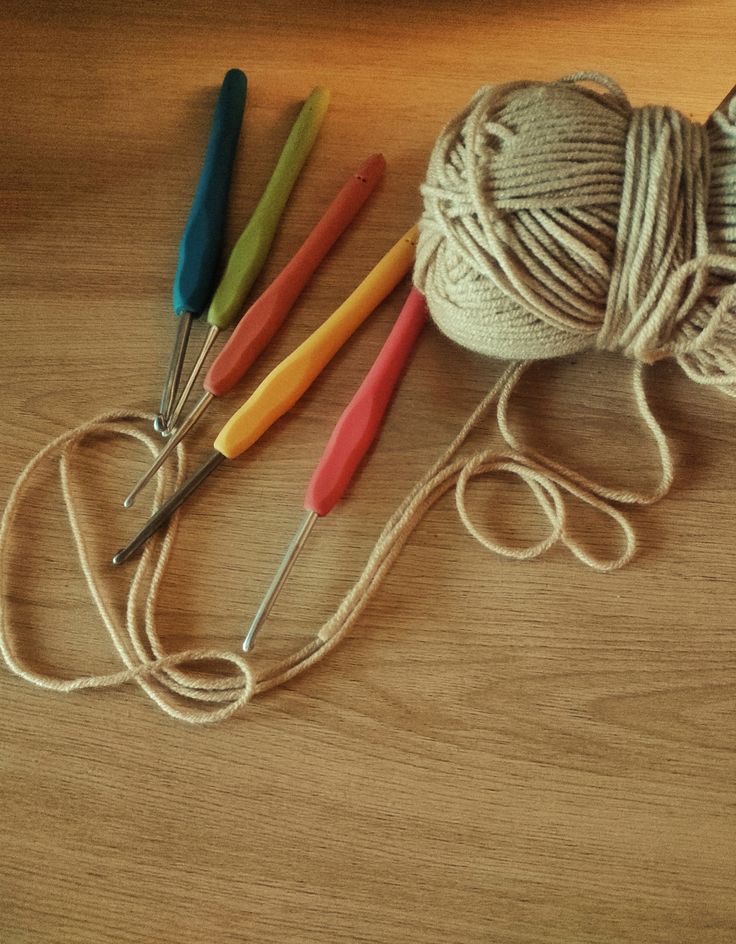
When you are starting out, the best hook is one that helps you form consistent stitches without fighting the yarn or hurting your hands. Here are features to look for.
- Smooth surface: Run your fingers along the shaft and hook. It should feel completely smooth, with no bumps, seams, or rough spots that might catch the yarn.
- Comfortable handle: Your fingers should rest naturally around the handle without needing to squeeze tightly. A slightly thicker handle is often easier on the hands than a very thin one.
- Not too small: Starting with a medium size like 5 mm (H-8) or 5.5 mm (I-9) makes it easier to see and enter stitches and reduces frustration.
- Gentle hook tip: The tip should be defined enough to go into stitches, but not so sharp that it splits the yarn again and again.
- Consistent size and labeling: Having the size clearly marked on the handle helps you remember what you used for each project.
Above all, a beginner-friendly hook is one that lets you relax your grip and focus on the movement of the yarn instead of wrestling with your tools.
A Simple Starter Set
You do not need a huge collection of hooks to begin crocheting. A small, well-chosen set will cover most beginner projects like scarves, dishcloths, blankets, and simple accessories.
Here is a practical starter set that works for many new crocheters:
- Three core sizes: 4 mm (G-6), 5 mm (H-8), and 5.5 mm (I-9). These cover a wide range of common yarns.
- One yarn weight to practice with: A smooth worsted weight (medium 4) yarn in a light to medium color. Avoid very dark colors at first because they make stitches hard to see.
- One material you like: Start with one type (aluminum, bamboo, plastic, or ergonomic) and use it for a few projects so you can tell how it feels over time.
As you gain experience, you can add hooks in smaller or larger sizes for different projects, but there is no rush. It is better to get comfortable with a few sizes first.
Is Your Hook Causing Tension Problems?
Yarn tension—how tightly or loosely you hold the yarn and hook—affects how your stitches look. While practice plays a big role, the hook itself can also influence your tension.
Signs your hook might be contributing to tension issues:
- Stitches are very tight and hard to insert the hook into: Your hook may be too small for the yarn, or the surface may be too grippy, making you pull too hard.
- Stitches are very loose and uneven: Your hook may be a bit large for your yarn, or the surface may be very slippery, causing you to lose control of the yarn.
- Yarn keeps splitting: The hook tip may be too sharp or have a tiny burr that catches the strands.
What you can try:
- Switch up or down by half a millimeter (for example, from 5 mm to 5.5 mm) and see how your stitches change.
- Try a different material: if your yarn sticks on bamboo, switch to aluminum; if it slides too much on aluminum, try bamboo or a hook with a softer grip.
- Practice with the same yarn and stitch while changing only one thing (hook size or material) so you can clearly feel the difference.
Is Your Hook Causing Hand Discomfort?
Crochet should feel relaxing, not painful. A little adjusting as you learn is normal, but ongoing pain is a sign that something needs to change—and your hook might be part of the problem.
Watch for these signs:
- Cramping in your fingers or thumb: Your hook may have a very thin handle that makes you grip tightly.
- Wrist pain or fatigue: The hook might feel unbalanced in your hand, or you may be twisting your wrist more than necessary to keep control.
- Tingling or numbness: This can be a sign you are gripping too hard or holding tension in your hand and arm.
Ways to improve comfort:
- Try a hook with a thicker or ergonomic handle so you do not have to pinch as hard.
- Experiment with different ways of holding the hook (often called the “knife” grip and the “pencil” grip) to see what feels more natural.
- Take regular breaks, gently stretch your fingers, wrists, and forearms, and stop if anything feels sharp or intense.
- If discomfort continues, consider asking a health professional, especially if you have any existing joint or nerve issues.
Putting It All Together
The “best” crochet hook for beginners is one that suits your hands, your yarn, and your budget. For most people, a medium-sized hook (around 5 mm / H-8) with a smooth surface and a comfortable handle is a reliable place to begin. From there, treat your early projects as experiments: notice how different sizes and materials feel, and let that guide your next choices.
With a small starter set and a bit of curiosity, you will quickly discover which hooks help you relax into the rhythm of crochet—and that is when the craft really starts to feel fun.
 Honey Stitch
Leave a comment